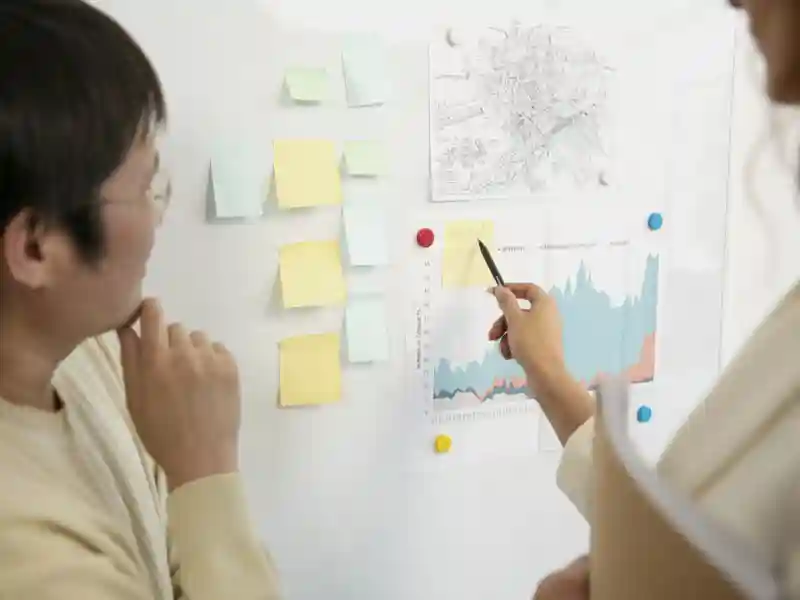
This course aims to improve the skills of the Procurement of Professional and Senior Buyers in organizations. Advanced negotiation and procurement techniques, business continuity, and contingency planning for procurement are discussed and practiced in simulations. The course examines the strategic importance of procurement departments by using concepts and ideas to maximize the procurement department’s effectiveness and thereby reducing costs throughout the supply chain.
Review critical supply strategies
Be provided the concepts of activity-based costing
Discuss current forces of change
Learn how to create rapport, build trust and establish credibility in a workgroup
Understand that communication is vital to successful, productive workgroups
Learn the skills required for good supplier relationships
Study business continuity and contingency planning for procurement
Be taught a category segmentation process
Learn how to plan in successful negotiations
Study different approaches in negotiations
Examine standards of ethics
Learn how to rate a supplier
Evaluate the strengths and weaknesses of suppliers
Increase recognition by the organization due to improved performance
Increase the skill sets in advanced phases of strategic procurement
Develop skills in procurement professionals which will raise capability, skill, and morale
Procurement Managers & Senior Managers
Procurement Professionals
Purchasing Manager
Senior Buyers
Buyers
Purchasing and its contribution to the organization
The Supply Chain and its influence
Influence of the External Environment
Purchasing Organisations
The Procurement Cycle
Purchasing Systems
Critical Supply Strategies
Category Segmentation Process
Transforming the Supplier Relationship
Specifications
Working with End-users
Supplier Evaluation Criteria
Appropriate Supplier Methodologies
Total Cost Approach
Defining the Organization’s Mission In Building Supplier Relationship
How to be A Good Customer
Communication, Trust, and Credibility as Key Elements
Shrinking the Supplier Base
Avoiding Confrontational Negotiating
Developing Active Listening Skills
Negotiating with an Angry Person
Dealing with Back Door Selling
Power Closes that are used on the Buyer
Understanding the other Negotiator’s Power
Negotiating Pressure Points
Negotiating with Untrustworthy Counterpart
Negotiation Tactics and Countermeasures
Communication techniques of verbal, non-verbal, and written
Methods of communication lead to more productive work and minimize stress
Communication and interaction openness develops trust
Identification of interpersonal interaction methods
Recognizing response to and perceptions of change
Analyzing and preparing for the human reaction to change
Attract And Retain Supply Management Talent
Supplier Measurement
Vendor Rating
Steps In Developing Performance-Based Contracts
Action Planning
Business Continuity and Contingency Planning for Procurement
What Is Activity-Based Costing?
Price Cost and Value
Ways that Advanced Procurement can Improve the Organisation’s Finances
Because supervisory levels are the link between the executive and senior management levels, achieving the organization's objectives, increasing productivity and overall performance of the organization, affects the effectiveness and efficiency of supervisors' performance.
And because of the skills of supervisors in any organization in need of continuous development, and to acquire advanced tools and methods that reflect on the deepening of these skills and activate their role in motivating individuals working, and push them to commit to the goals of the organization.
You need this conference to learn about supervisory skills and advanced methods, to be able to play an effective and supervisory role in your organization.
Managing an office has become an increasingly sophisticated and complex job. The increased demand for speed and accuracy, knowledge of new technology, and an increasingly diverse workforce bring challenges and also opportunities for growth. This dynamic and in-depth course explores some of the more advanced skills which can help an office manager to work more confidently, creatively, and effectively.
As a supervisor, the success of your organization rests in your hands. This course provides you with the opportunity to develop highly effective and essential supervisory skills that will strengthen teamwork and organizational success. Also, this course will help you manage everyday operations with greater ease. Furthermore, it will help you leverage both your managerial and people skills to meet your new challenges as the 21st-century supervisor.
This course is designed for participants to introduce to key issues and themes in international development.
Participants will explore and engage in academic debates and discussions around a set of key factors that shape, influence, and constrain the development and prosperity of nations.
The course will explore a number of key themes in international development, including how questions of gender and generation shape the impact of poverty; how processes of globalization, migration, and violent conflict impact development; and how development and the environment are linked.
It also considers what exactly we mean by poverty, and how different ways of understanding poverty feed into different approaches to tackling it.
It will also consider development institutions: what are the key institutions in the architecture of international development? How do they differ, and what are the challenges and opportunities they present? Through this module, participants will gain a solid background in the various factors which shape current approaches to and debates on international development.
By introducing participants to a range of problems in economic development, we will look to analyze how economic theory and models can explain the lack of development in some nations. We will apply such theory to real-world economies to understand the nature of the problems they face and how effective policies can be in tackling the problems.
A five-day course on the practical aspects of piping and pipeline design, integrity, maintenance, and repair. The participants will obtain an in-depth understanding of the ASME B31 code rules and API standards, their technical basis, and practical application to field conditions.
Corporate/Public governance and risk management are critical There is increasing attention being paid to corporate governance and risk management in business schools and among legislators.