
Since technological advancements have made it possible for road agencies to choose the best decay forecasting methods and also reuse materials from one part of the road network to another, this Road Asset Management training course will further improve understanding of the applicable methods, tools, and techniques for road data gathering and analysis in order to improve the system of road construction and maintenance.
This will highlight the necessity for developing a sustainable system for managing road assets, wherein investment and income can facilitate the extension of the road network, cost reduction, and even revenue growth, converting the roads from capital investment projects into capital revenue projects.
At the end of this course the participants will be able to:

The world is packed with information; and most organizations struggle to recognize what information they have, why they need it, how long they need it for, and if it has any value. Furthermore, changes in the law, such as the recent changes in the UAE employment law, often call for tighter controls on contract documentation, and lead to a need for enhanced management of human resource and contract records. In addition, electronic information is under threat from cyber-attack and personal information is at risk of exposure. As such, the development and implementation of a records management program that includes document control methods to identify, secure, and protect critical information, is necessary for every organization.

This course is designed for participants to introduce to key issues and themes in international development. Participants will explore and engage in academic debates and discussions around a set of key factors that shape, influence, and constrain the development and prosperity of nations. The course will explore a number of key themes in international development, including how questions of gender and generation shape the impact of poverty; how processes of globalization, migration, and violent conflict impact development; and how development and the environment are linked. It also considers what exactly we mean by poverty, and how different ways of understanding poverty feed into different approaches to tackling it. It will also consider development institutions: what are the key institutions in the architecture of international development? How do they differ, and what are the challenges and opportunities they present? Through this module, participants will gain a solid background in the various factors which shape current approaches to and debates on international development. By introducing participants to a range of problems in economic development, we will look to analyze how economic theory and models can explain the lack of development in some nations. We will apply such theory to real-world economies to understand the nature of the problems they face and how effective policies can be in tackling the problems.

Self-mastery is not achieved by accident - it is a process that occurs as we interact effectively with the events and circumstances of our lives. Each moment of our lives provides an opportunity to practice self-mastery by expanding our visions, awakening the faculties of our minds and our hearts, and assuming full responsibility for living, growing, and contributing. As we master our own emotions, we can enhance our ability to lead others, acting as a role model and someone others would truly wish to follow. Through this program, you will learn a great deal about yourself – how you think, how you perceive the world and how others perceive you, how you communicate and how you can enrich your communication skills - and through that process, you will learn how to lead others with great skill.
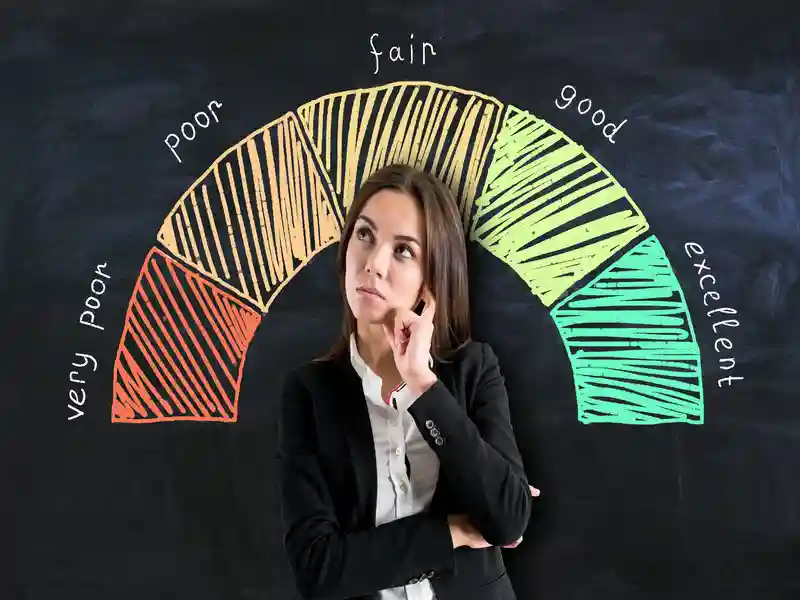
Great achievers have always performed well by managing themselves and their capabilities. Self-management is critical for individuals to perform efficiently in both large and small businesses where they are called to perform various duties. Self-management inspires individuals to set their own goals, monitor their behavior in achieving those goals and reward themselves upon their success in achieving those goals. Self-management is the building block for effective management of other people, groups, and organizations. This highly participative seminar will help you to develop your leadership skills to lead others in times of crisis, pressure and stress. You will obtain the latest insights into what makes a leader able to manage themselves and others during times of crisis. Self-mastery is not achieved by accident - it is a process that occurs as we interact effectively with the events and circumstances of our lives. Each moment of our lives provides an opportunity to practice self-mastery by expanding our visions, awakening the faculties of our minds and our hearts, and assuming full responsibility for living, growing, and contributing. As we master our own emotions, we can enhance our ability to lead others, acting as a role model and someone others would truly wish to follow.

Implementing an anti-bribery management system (ABMS) based on ISO 37001 has a number of advantages, including helping the organization avoid or reduce the costs, risks, and damage of being involved in bribery, fostering trust and confidence, encouraging due diligence and morally righteous business practices, etc. You must have the knowledge and abilities necessary to establish, implement, manage, maintain, and continuously enhance an ABMS in order to reap these benefits for your firm. The ISO 37001 Lead Implementer training course is where you should be for that. The training program aims to give participants a thorough understanding of ISO 37001 requirements as well as the best methods and techniques for setting up and maintaining the management system.

Through risk management, decision-making, and performance improvement utilizing ISO 31000 criteria, participants in the ISO 31000 Lead Risk Manager training course may help a company create and protect value by developing their competencies in these areas. It offers details on the fundamental components, the efficient use of a risk management framework, the use of the risk management process, and the steps required for the proper integration of these components to achieve corporate goals. Additionally, it offers recommendations for the choice and use of methods for evaluating risks in a variety of circumstances.