
Marine operations include the movement, berthing, and un-berthing of ships and other marine crafts within the limits and approaches of the port authority. Ships are the main means of transport of various liquids and gases, some of which are hazardous and extremely dangerous, if mishandled, to port workers as well as marine flora and fauna. Thus, vessels carrying dangerous material need to be effectively managed to ensure safety. Marine safety involves the prevention of damage and pollution to the marine environment through strict rules, restrictions and legislations.
Port authorities need to follow certain practices and procedures during port operations to maintain marine safety. However, marine safety during port operations does not apply to port authorities and organizations alone but also involves contractors, vendors and other authorized officers working in and around a port.
A safety management system, including a safety policy, is ideal to present uniform guidelines and standards of work and practices during port operations. A safety management system is based upon a formal risk assessment of marine activities during port operations. Successful safety management is possible through effective safety policies, effective management structures, planned and systematic approaches to implementation of the systems, performance measurement against standards and experiential learning and associated amendments. Marine safety has a huge impact on the environment and can help facilitate commerce; it is closely related to environmental conservation. Human error and natural failure are the two main causes of marine accidents. Thus, one of the major contributors and influencers of marine safety around ports is training and education of port operations’ personnel to meet safety standards. Risks to marine safety are reduced by more than half on education and training of personnel carrying out port operations.
Marine safety data analysis is very important to prioritize prevention initiatives. Today, there are numerous conventions and guidelines setting boundaries of safety and efficiency at ports. Technology, too, has played a major role in improving marine safety. This program will empower you with knowledge and information regarding best practices to maintain marine safety during port operations. It will provide you all necessary details to ensure that you maintain a safe work environment and help colleagues do so. The program will help you understand, in detail, how port operations and certain practices can impact marine safety, pollution and the health and well-being on marine flora and fauna.
Given the current focus and importance of marine safety and preservation of the marine environment, this program will train and equip you to work in accordance with universal standards set by renowned organizations working towards marine safety. Overall, this program will build your competence and provide you the confidence, experience and exposure to confirm that your respective organization is compliant with all practices and standards.

Sustained public relations campaigns can help drive strategic organizational change, build public perceptions and drive reputation with key stakeholders. Well planned and executed campaigns are a cost-effective means of changing perceptions and increasing stakeholder value for an organization. This powerful program takes a problem-solving approach to the design of PR campaigns. By closely fitting the campaign to core business priorities as well as project objectives campaign design reinforces key messages and organizational strategy. Participants will develop the skills to design, plan, cost, deliver, and evaluate campaigns using the full range of PR media and channels. Case study examples in print and video will be used throughout. Action planning for the workplace to put ideas into action is a strong feature of the program.


The program has been designed to be interactive with several case studies and group exercises. A modular approach will take the delegates through the four stages of Crisis Management - Preparation, Planning, Response, and Recovery. Participative lectures will involve the use of PowerPoint, handout material, work manual with all instructor notes and slides, examples of best practice, and appropriate video/DVD material. The use of flip-charts, syndicate workshops, and reporting back sessions will encourage a fully participative and enjoyable event.

Program coverage includes CAD Problem Areas, Contractual Issues, Industrial Designs Patents Copyright, Productivity Issues, Drafting Skills Tools Software, Checking of Drawings - Standards, Specifications - Completeness- Errors.., Standardization Issues, Productivity Issues, Future Needs - Intelligent Drawings, Accuracy (Customization), Quality Assurance.

This is a comprehensive career development program intended for those seeking job-related skills in Inspection of Process Industry units for Maintenance, Operational Condition, Corrosion, Safety, Quality Assurance, and Quality Control.
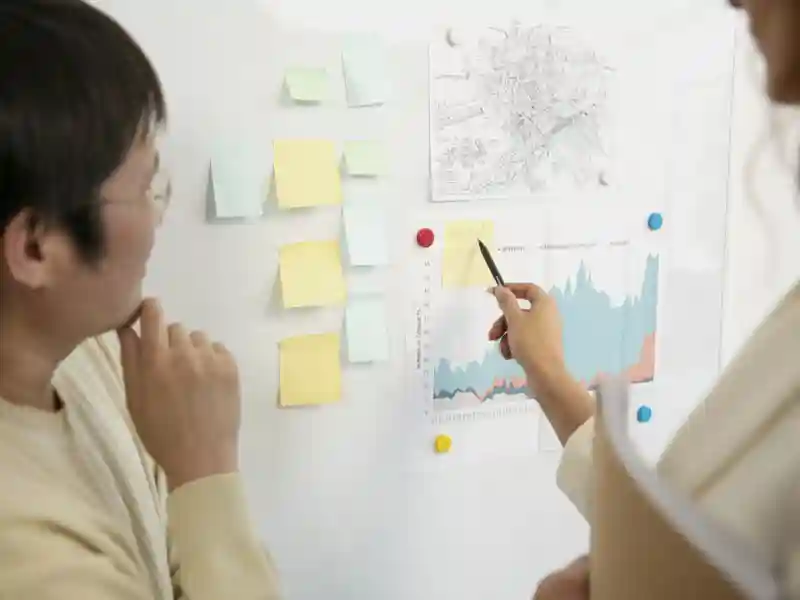
In our modern world, products are developed, launched, upgraded, and re-launched in record times. Agile Product Management is crucial in gaining a competitive advantage and prospering in the fast-moving and ever-changing times. Product managers need to develop interdisciplinary skills that allow them to work effectively and agilely with diverse groups of colleagues, from innovation to product and sales and marketing.